



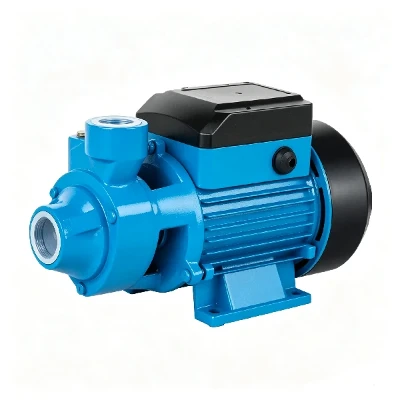


Buyer’s Guide: How to Select the Right Protective Frame Solar Surface Pump for Your Water Project
Nov 06, 2026
Leave a message
When planning an off-grid water project, picking a suitable protective frame solar surface pump is one of the most critical decisions for stable long-term operation. Many project buyers struggle to distinguish between different pump types and end up with units that fail to match local sunlight conditions, water lift requirements and site environments. This guide walks you through core evaluation standards to avoid costly selection mistakes, whether you source for household use, small farm irrigation or community water supply.

A durable solar centrifugal pump stands out for steady water delivery and simplified maintenance, making it a preferred option for users who prioritize consistent performance. Unlike intermittent models, a continuous duty photovoltaic pump can run for extended hours under proper sunlight, which fits sites that demand non-stop water transfer during daytime. Its anti-collision frame shields the pump body and control module from bumps, falling debris and rough handling during transport and field installation, an essential feature for harsh outdoor worksites.
You should also clarify your working load demand before confirming specifications. A heavy duty solar above-ground pump is built for higher volume tasks and can handle longer pipeline layouts compared with light-duty versions. Remote area water supply often faces limited access for repair and replacement, so structural robustness and compatible MPPT controller performance must be checked carefully. If your core application is crop irrigation, a solar farm surface pump is tuned to match typical farm flow and head parameters, aligning well with the watering cycle of vegetables, fruit trees and pasture land.

Start your selection process by calculating two core indicators: total dynamic head and required flow rate. The total dynamic head includes vertical lifting height plus friction loss from pipes, elbows and filters. Many buyers only measure vertical height and ignore pipe resistance, which results in insufficient actual water output after installation. Next, evaluate the local solar resource. Check average daily sunshine hours and peak sunlight intensity of your project location. Areas with weak, unstable sunlight need a pump system with a wider voltage working range to maintain startup stability.
Material quality and protective design deserve close inspection. Cast iron pump housings offer outstanding wear resistance for water with tiny sediment, while stainless steel variants suit water with mild corrosive properties. The anti-collision frame we mentioned earlier is not just a simple metal rack; it keeps the motor and electronic drive box away from direct impact and accidental contact, greatly lowering the risk of onsite damage during mobile use. For projects that frequently move pumping points, the framed structure also makes lifting and relocation much easier for field workers.

Compatibility between solar panels and the pump system is another easy-to-overlook point. The open-circuit voltage and maximum power voltage of solar panels must fall within the operating window of the pump's built-in controller. Mismatched voltage will either trigger frequent shutdowns or burn out the drive unit prematurely. It is better to adopt a matched panel and pump package rather than assembling separate components from different suppliers unless you have professional electrical engineers to verify the whole system.
Think about after-sales support and spare parts availability before placing bulk orders. For remote rural and pastoral projects, long-distance shipping delays will halt your water supply once a component breaks down. Confirm whether the supplier provides readily available seal kits, impellers and controller replacements. You can also ask for performance test reports to verify the real working curve instead of relying only on theoretical datasheet parameters.

Finally, match the pump grade to your application scenario. Light-duty models work for small domestic water needs. A heavy duty solar above-ground pump serves large-scale irrigation and communal water distribution. A solar farm surface pump optimizes energy conversion to balance water output and solar power consumption. When you combine these factors, you can confidently select a protective frame solar surface pump that delivers reliable service and brings solid returns for your water project.
Send Inquiry