



Selection Guide for Solar-Powered Land-Based Pumps: Comparison of Key Parameters and Functions Across Different Protection Ratings
May 20, 2026
Leave a message
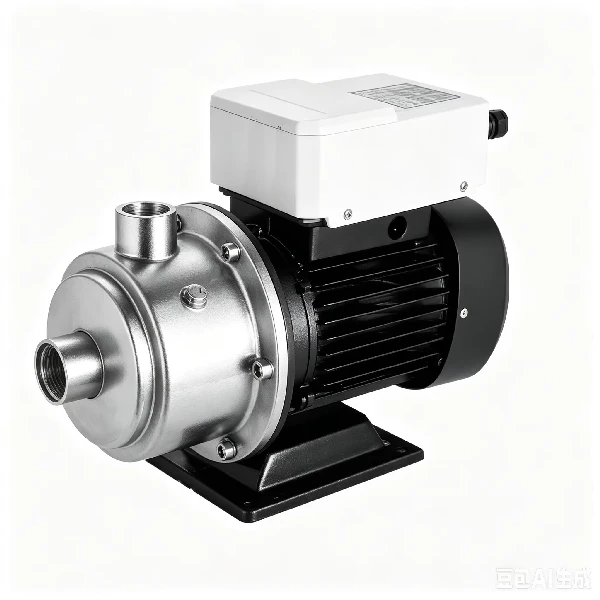
The protection rating is a crucial factor when selecting solar-powered surface pumps. Pumps with different protection ratings exhibit variations in their core specifications and functionalities. This rating is typically expressed as a two-digit code: the first digit indicates the level of dust protection, while the second indicates the level of water protection.
For instance, a solar surface pump with an IP30 rating prevents the entry of objects larger than 2.5 mm in diameter but offers no water protection; conversely, an IP55-rated pump provides superior dust protection-blocking significant dust ingress-and withstands water jets from any direction. Flow rate capabilities may also vary depending on the rating; pumps with higher protection ratings often feature superior sealing, enabling them to maintain a relatively stable flow output in challenging environments. Regarding head (lift) capability, some high-rated pumps achieve greater lift heights due to their precision engineering. In terms of materials, pumps with higher protection ratings generally utilize corrosion- and wear-resistant components to withstand harsh operating conditions. Functionally, these pumps tend to offer enhanced stability and reliability, minimizing malfunctions caused by dust or water intrusion. When selecting a pump, users should evaluate the specific operating environment and consider the protection rating alongside other key specifications to choose the most suitable solar surface pump.
Send Inquiry